
by Dave Nordling, Pyrotechnic Operator, RRS.ORG
The Reaction Research Society (RRS) held a liquid-fueled static fire event of the UCLA Rocket Project’s latest designs at the Mojave Test Area (MTA) on Saturday, November 1, 2025. We also had a member project that day with Austin Sennott and Charles Sharp launching three versions of their Half-Cat design.
The weather was quite good all day with very low winds and mild temperatures. The teams seemed well prepared and briefed me on their operations prior to commencing propellant operations. RRS member, Bill Nelson, assisted me in overseeing the event as my apprentice.
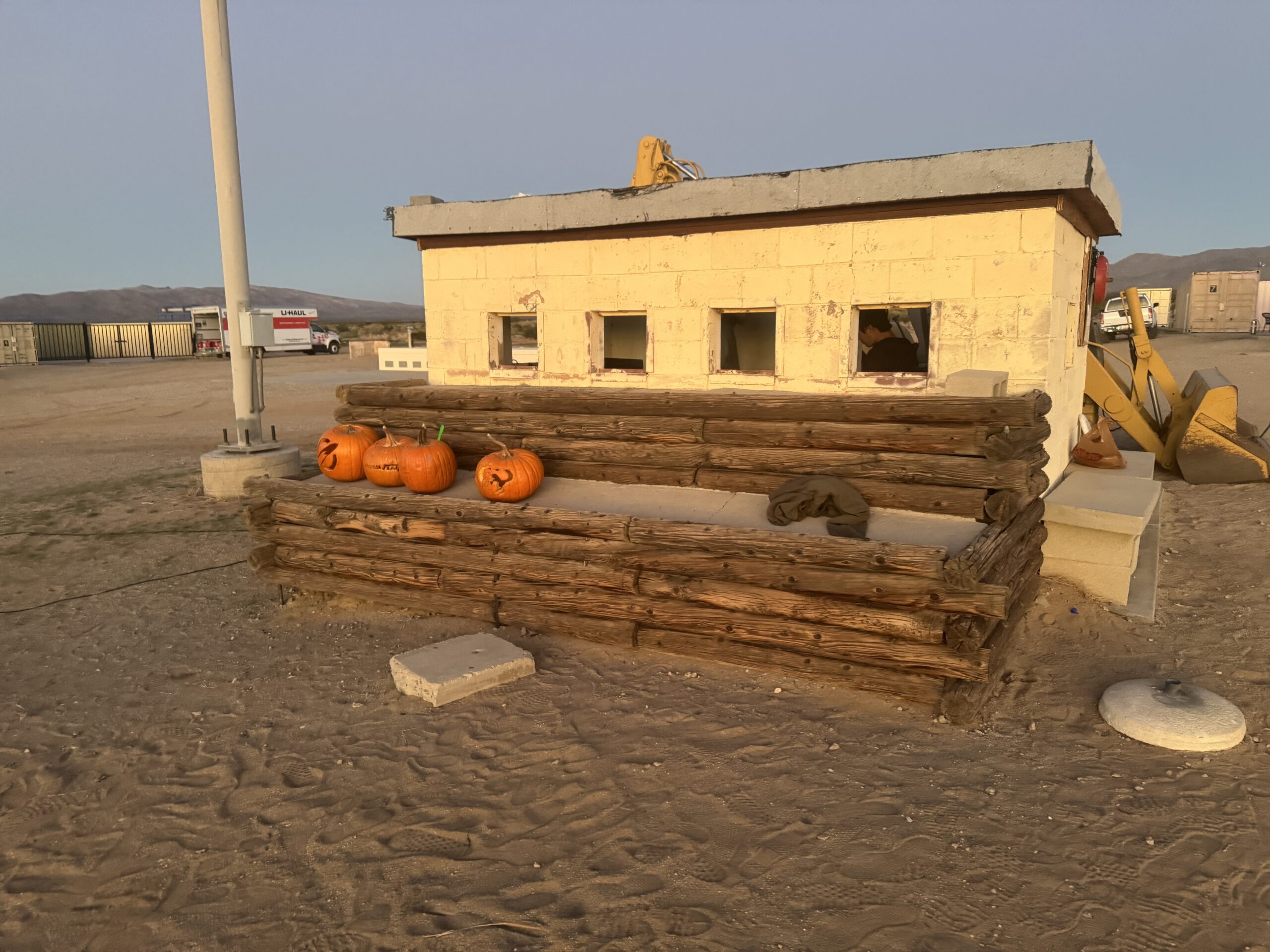
UCLA’s first static firing had a no-start condition on their igniter due to an open circuit which was easily corrected, but the team opened the run valves dumping the alcohol and liquid oxygen. For safety, the team ran the tanks until empty and simply waited to let the reminder of the liquid left in the horizontal internal space of the engine evaporate. UCLA would correct their operational mistakes on the next run.
While the UCLA engine was drying and the system rendered safe, the Half-Cat team got the next operation and conducted fuel filling and remote nitrous oxide filling. The Half-Cat design has flown nearly a hundred times at both the RRS MTA and FAR. They had three successful launches one right after the other. All vehicles were recovered with only one recovery system getting tangled. The HalfCats flown that day were gasoline and nitrous oxide which was loaded by a remote controlled system from the Garboden bunker.
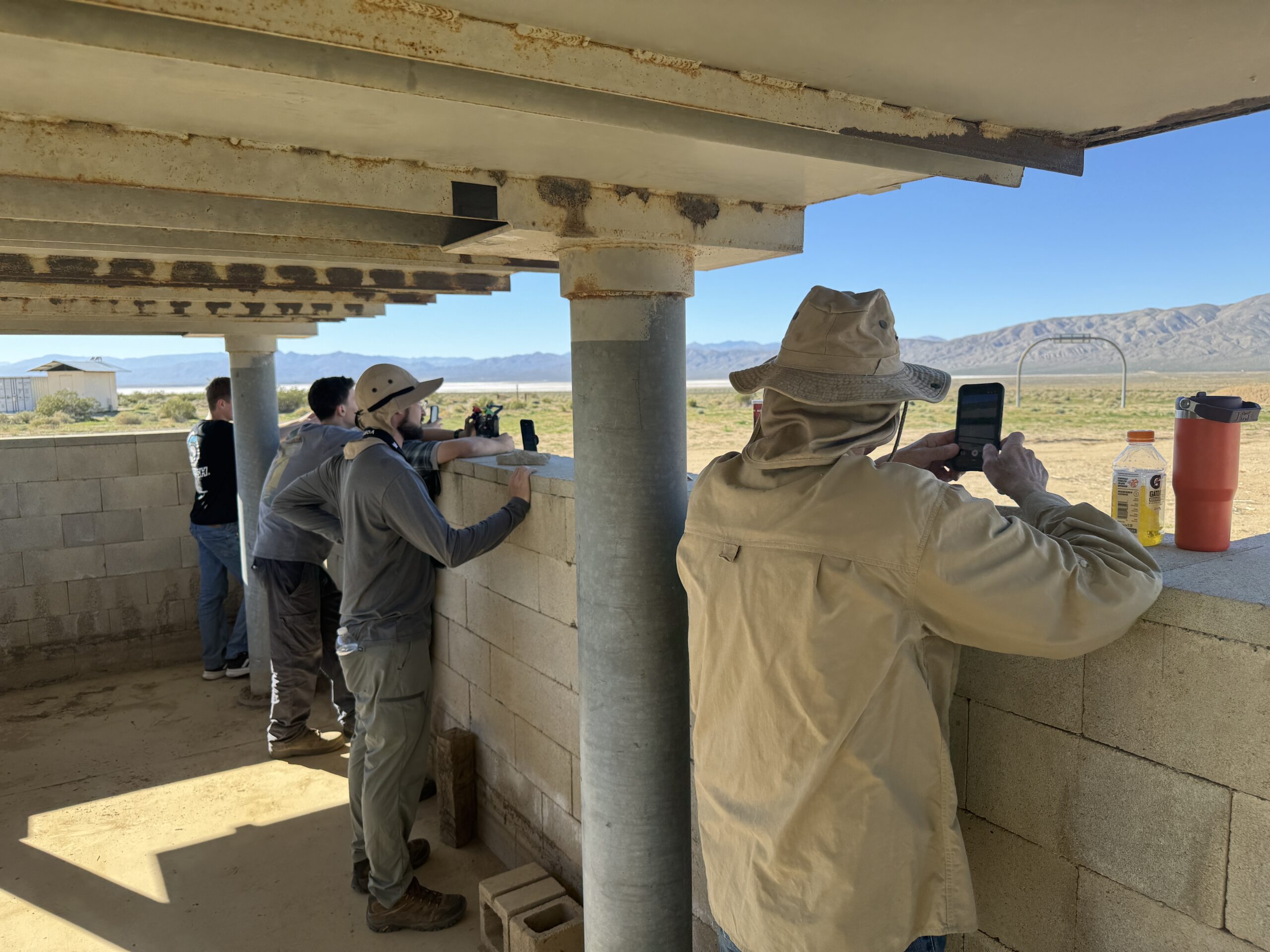
UCLA returned to their static-fire operations after the HalfCat team was complete. They corrected the problem with the igniter and replaced the engine. The second run was a little more successful.
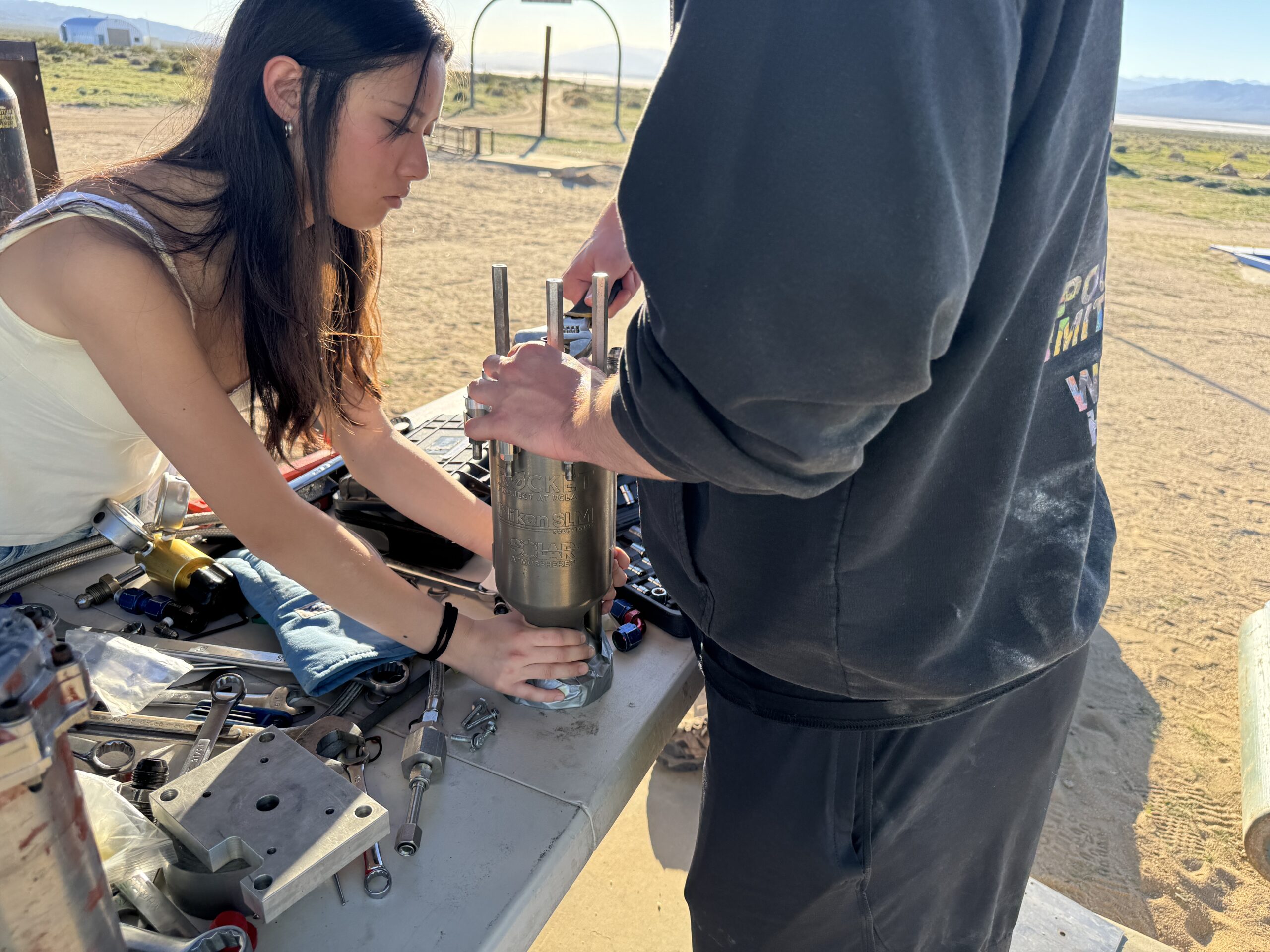
The UCLA team is testing the latest iteration of their ethanol (75% with water) and liquid oxygen impingement injector. It has an ablative liner running the whole chamber length to a graphite converging-diverging nozzle plug. An aluminum shell provides structural strength holding the assembly together. Ignition of the engine is by a nozzle-mounted pyrotechnic igniter (model rocket motor) held in place by an external clamp. The system has worked well in recent iterations.
Firing operations on this second attempt proceeded as planned with a clean, steady burn. Unfortunately, near the end of the run, the engine experienced burn-through and the chamber ruptured upstream of the nozzle in the upward location. Operations concluded safely and after a cooldown period, the engine was inspected. The data suggested the chamber pressure and mixture ratio was higher than predicted, but the ablation of the liner seemed relatively even circumferentially. The G10 plastic liner was thought to be able to last longer. Some concern was raised about variability in the product used today versus that used in the past. The failure was relatively benign and adjustments to the propellant feed should correct the issue.
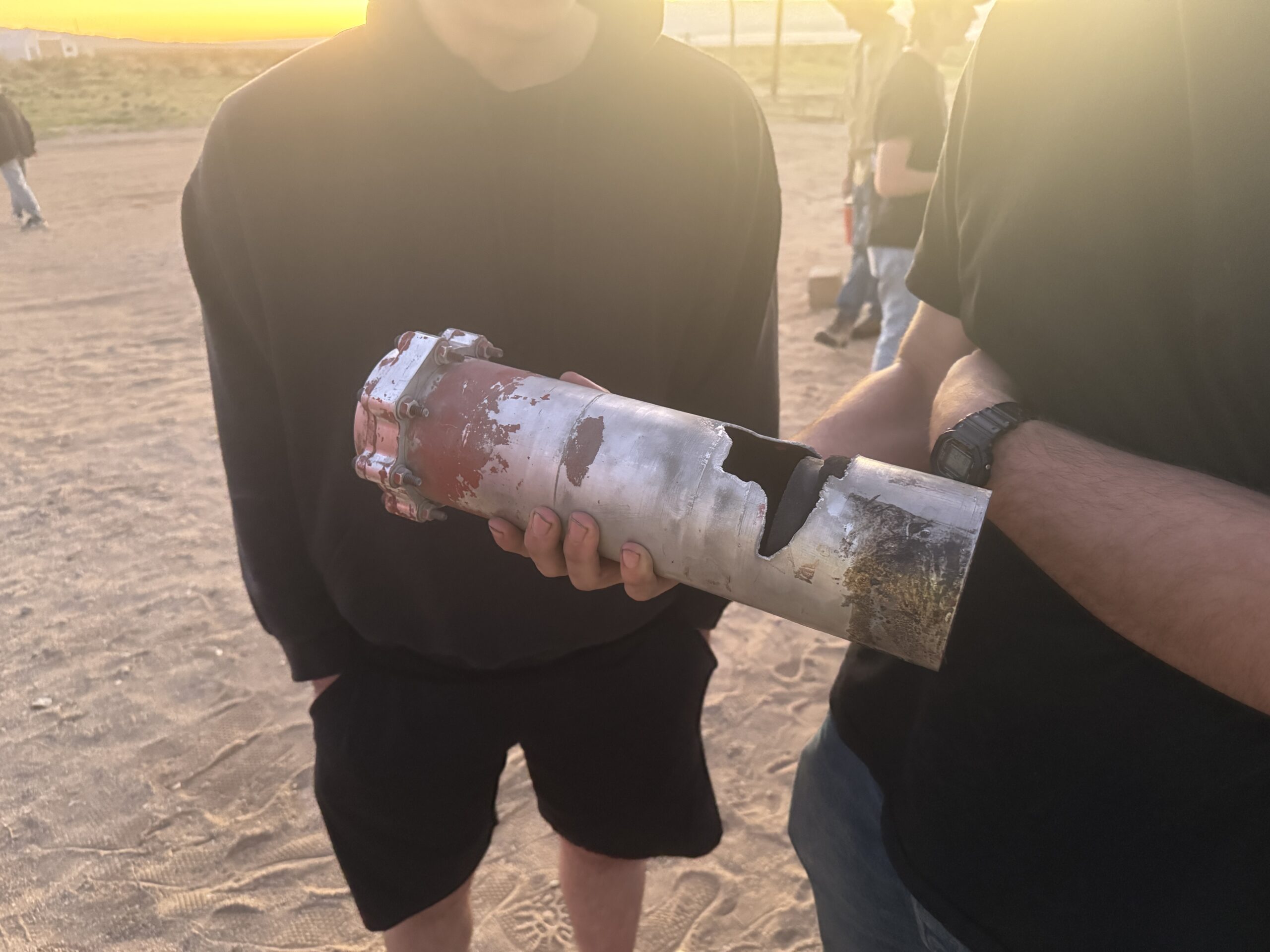
The UCLA team intends to fly their next vehicle for the FAR-MARS competition at the end of the Spring Quarter 2026. The single engine tests are necessary steps in selecting the right design for the best outcome. Although the sun was getting low, UCLA requested a third test with their next engine prototype. The team worked quickly to install their last engine of that day.
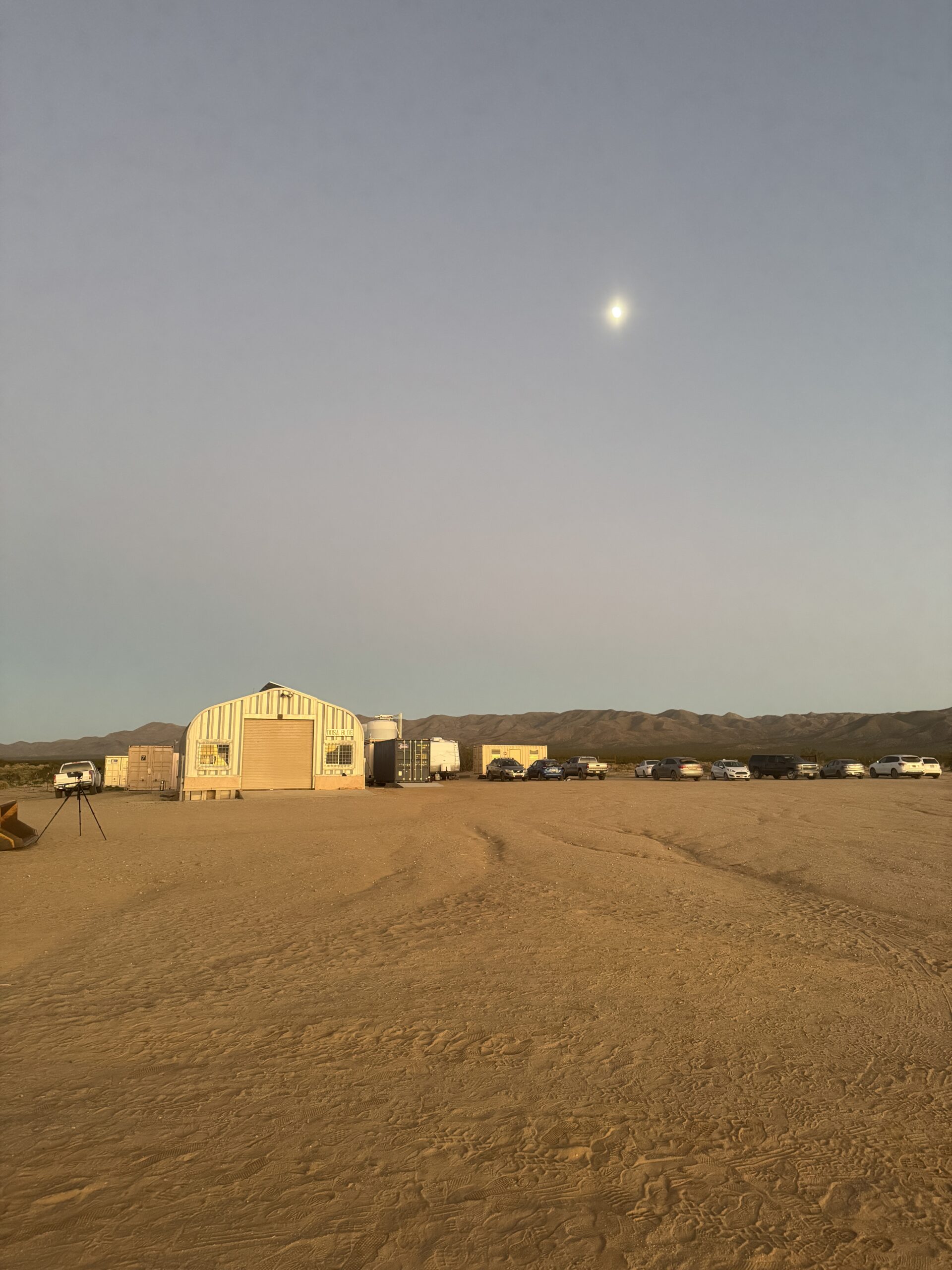
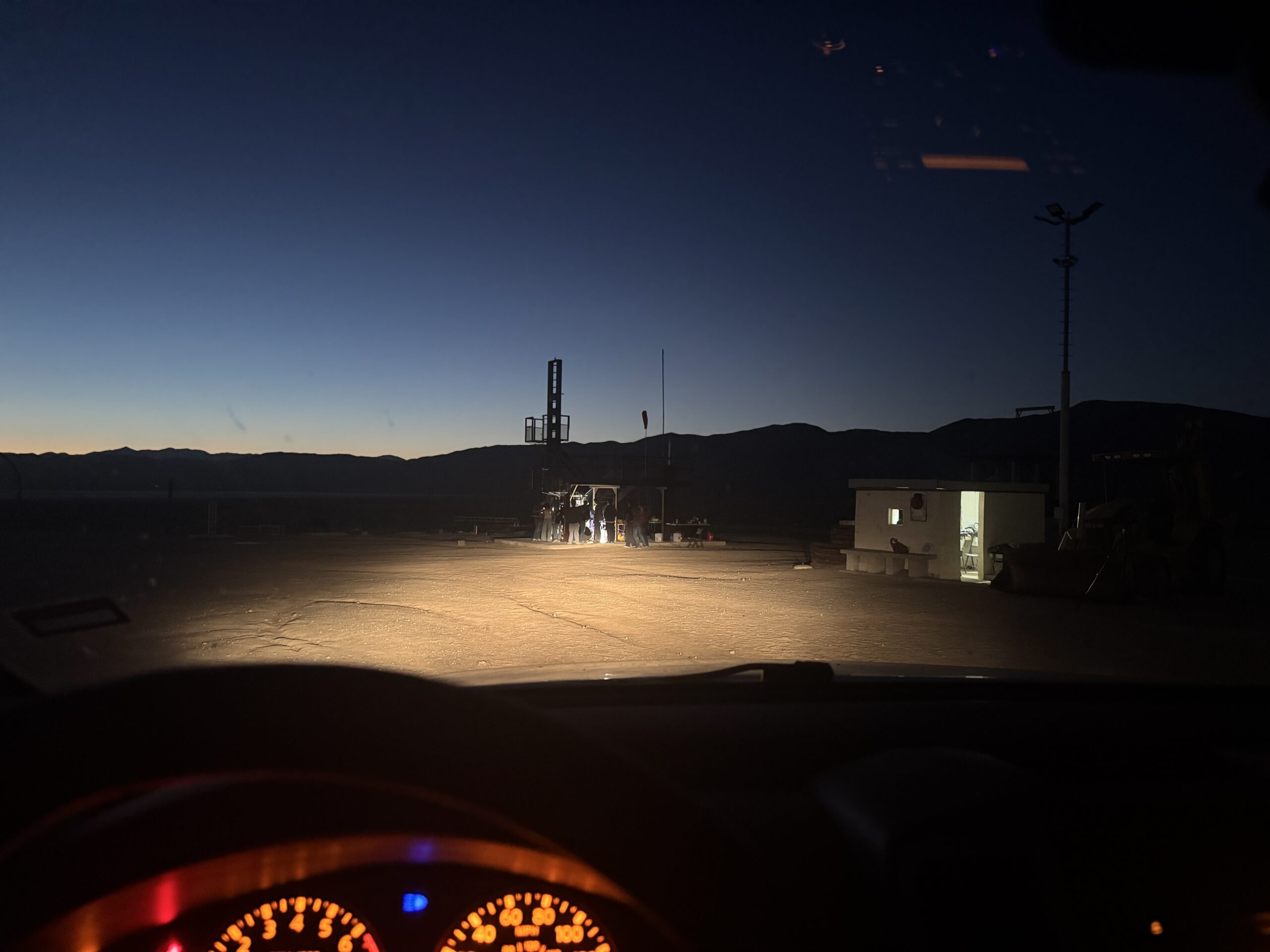
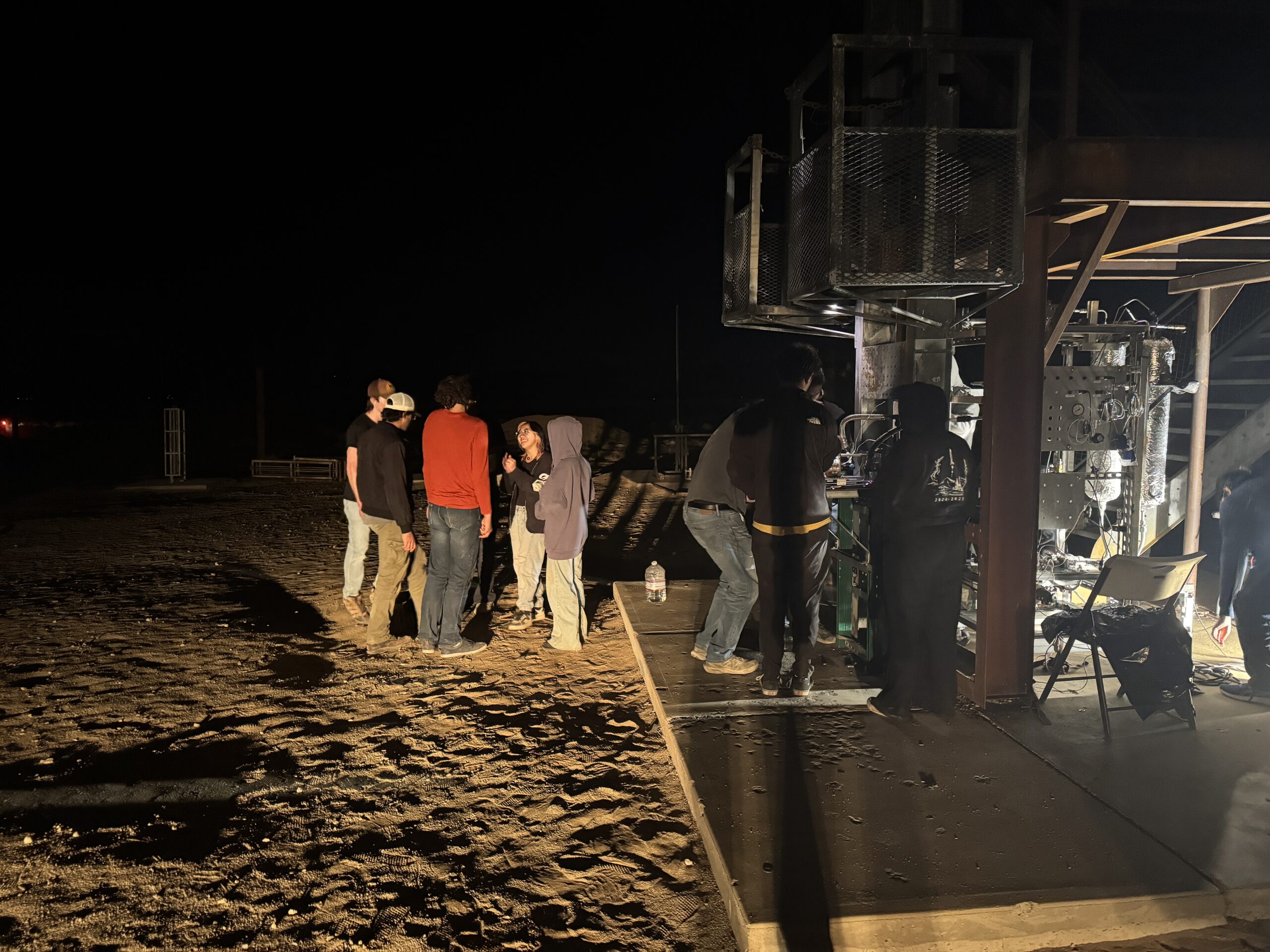
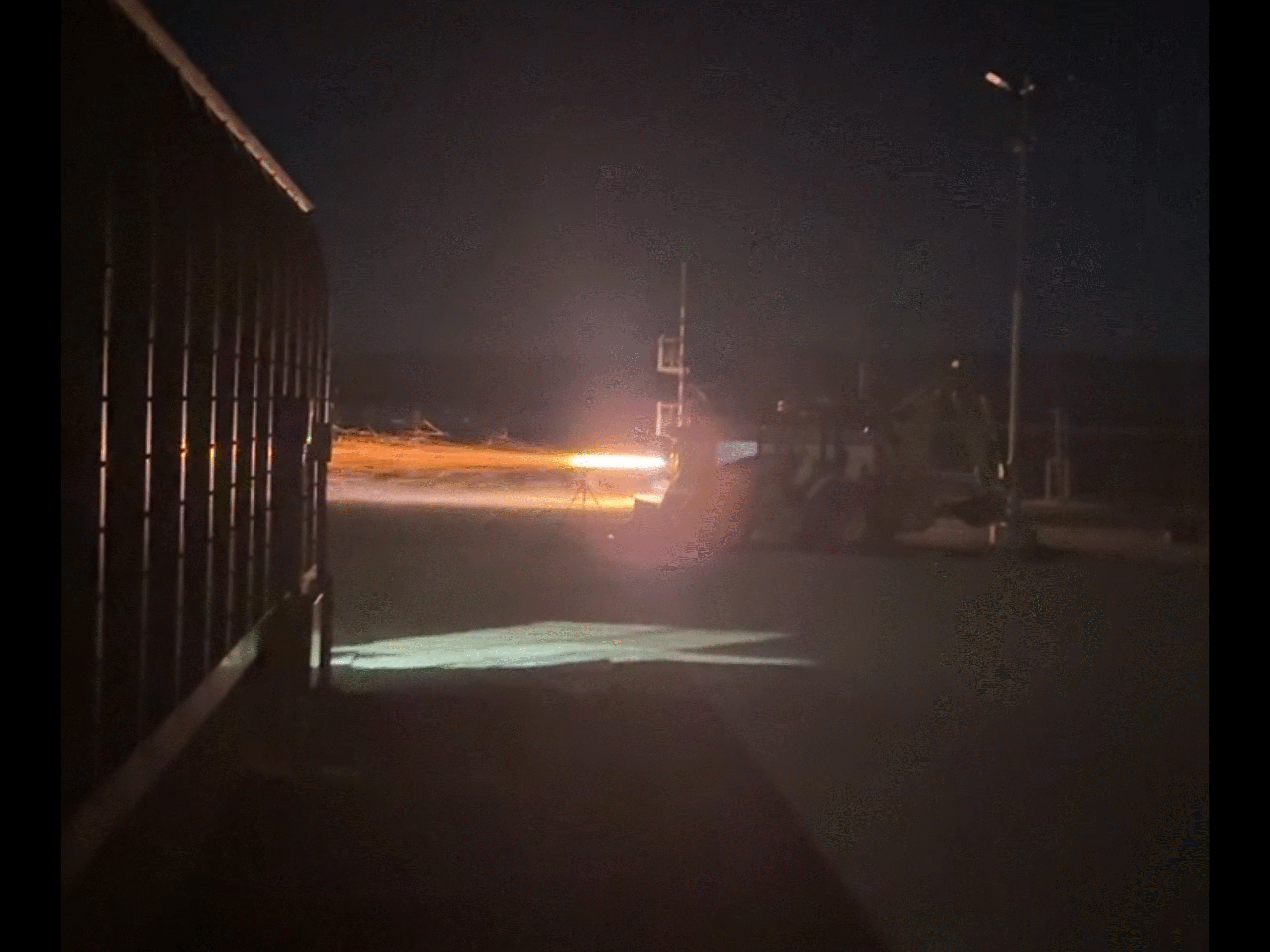
The team finished the installation, verified no leakage and began fuel and oxidizer fill operations. Remote pressurization operations went well and the team proceeded into the count. The second engine fire was steady and ran to completion. The pressurants were bled down and the system rendered safe. After some cooling off, the engine was inspected.
Some sparks were seen exiting the plume and some graphite ablation (small chunks popping out) at two locations around the convergent side was detected during inspections after engine removal. This is somewhat normal for some types of graphite. The UCLA throat design has a more gentle contour that can permit some of this undesirable ablation pattern without opening the throat area and decreasing performance.
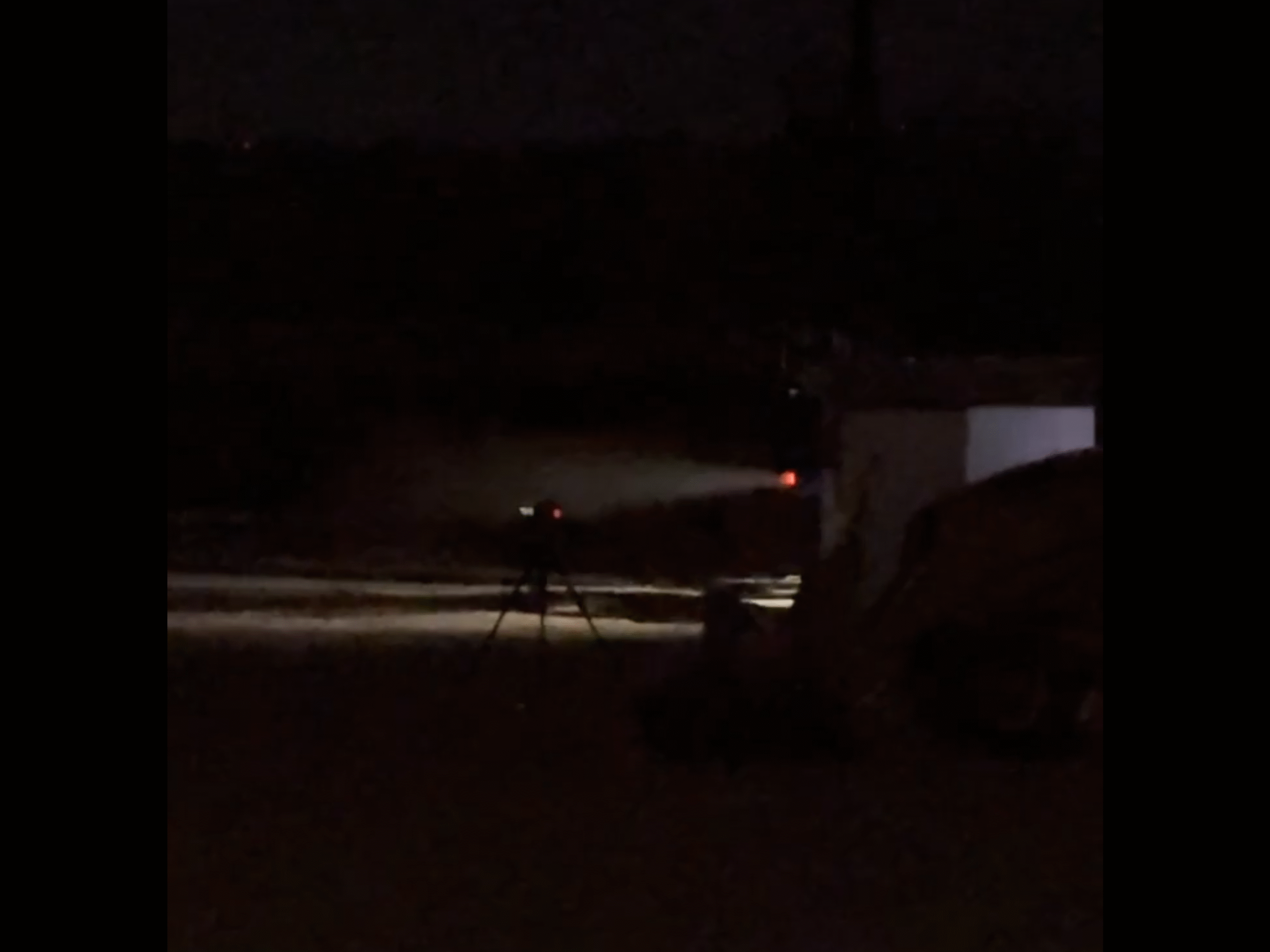
The second engine firing was a success in that it could be reused. UCLA had a third design that was 3D-printed and regeneratively cooled, but no further operations were permitted that day given the late hour. The UCLA team expressed interest in returning to the MTA for another round of testing. The RRS is glad to assist university teams with their projects.
During UCLA’s last installation operation, I took the time to look at the RRS’s second 60-foot launch rail which is still under construction. The Jurassic Launcher is so named as the underlying custom-built hydraulic lift system was one of a few used 30 years ago in the 1992 movie, Jurassic Park. The RRS was glad to purchase the system and is in the process of refurbishing it for liquid rockets needing a longer run length.
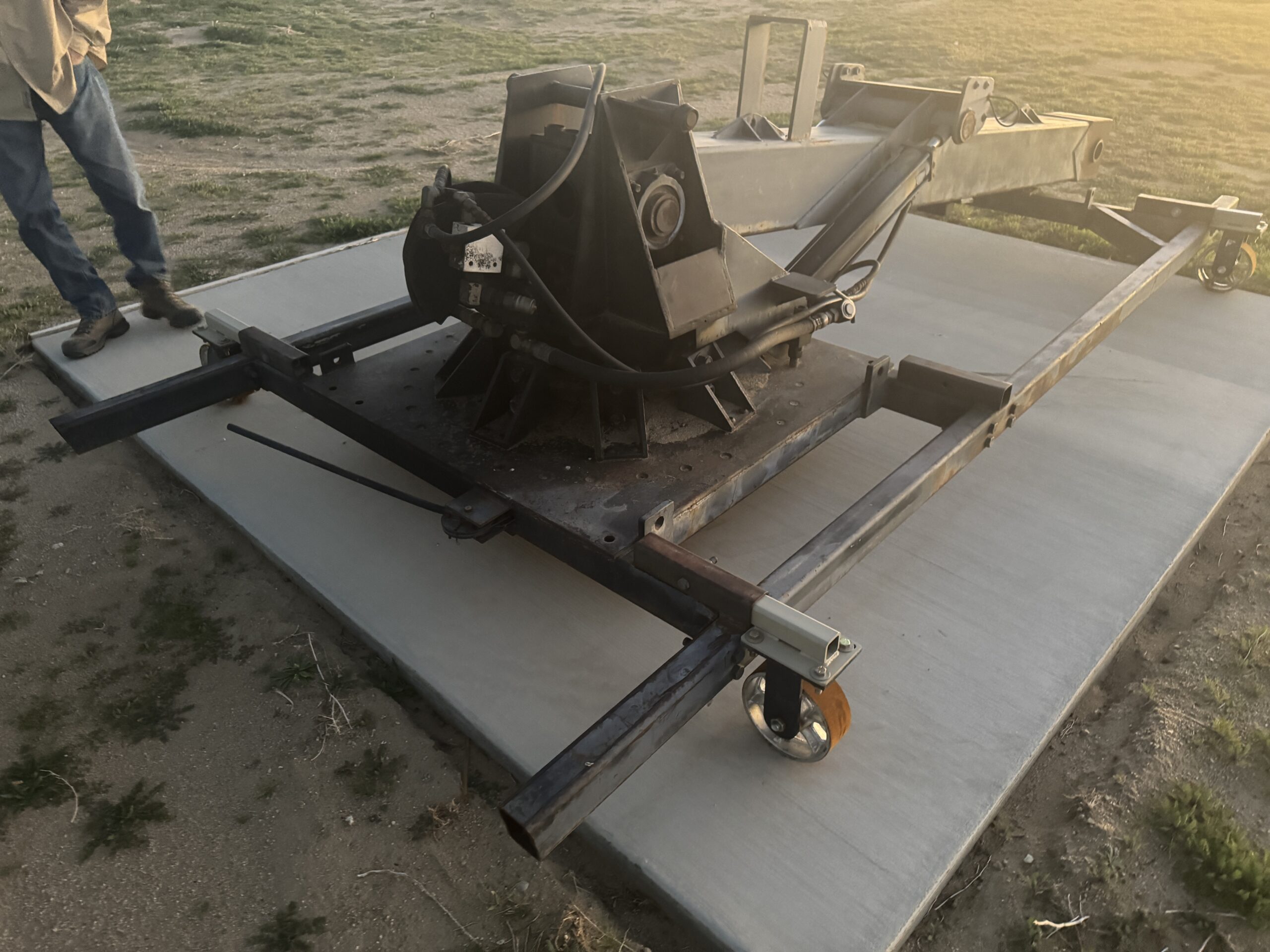
The steel backbone structure was a radio tower donated to the society by RRS member, Waldo Stakes. Some welding repairs have been completed and a short extension was put at the end to give a full 60-foot run length. The backbone needs a little more of the finer work to get the rail lugs installed. There is also some work to be done replacing hoses, cleaning and rebuilding valves and the pump if needed, building structural pieces, mounting and integration of the backbone and restoring the reservoir tank. Once finished, Jurassic Launcher will be a valuable asset to members and clients at the RRS MTA
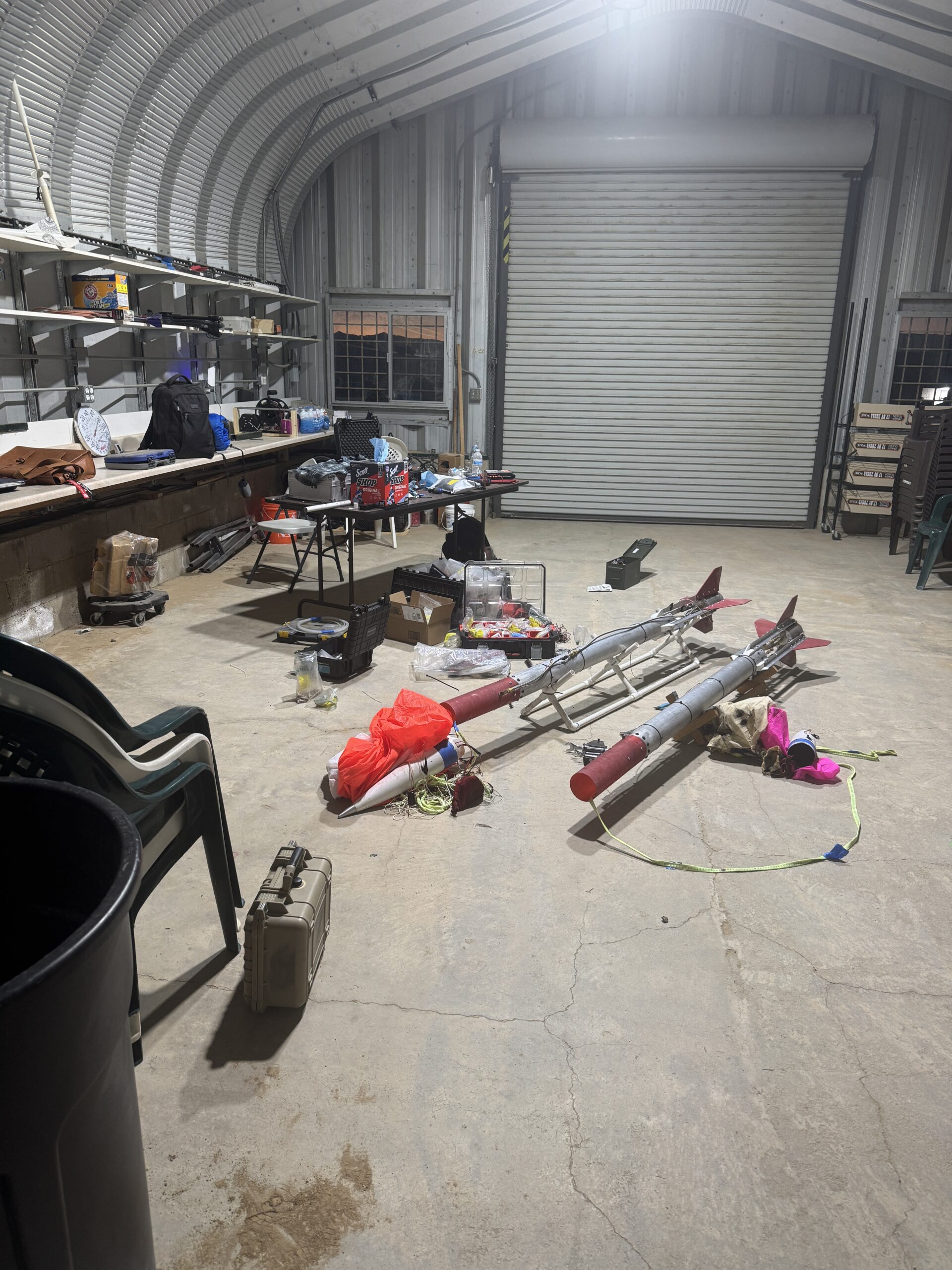
Austin and Charles gathered all three of their rockets and gathered valuable data with their prolific and growing flight history at the RRS. Several members indicated their interest in building a HalfCat or a derivative version. I was also grateful to them for their professionalism and efficiency in operations. They were a good example for the teams at the MTA.
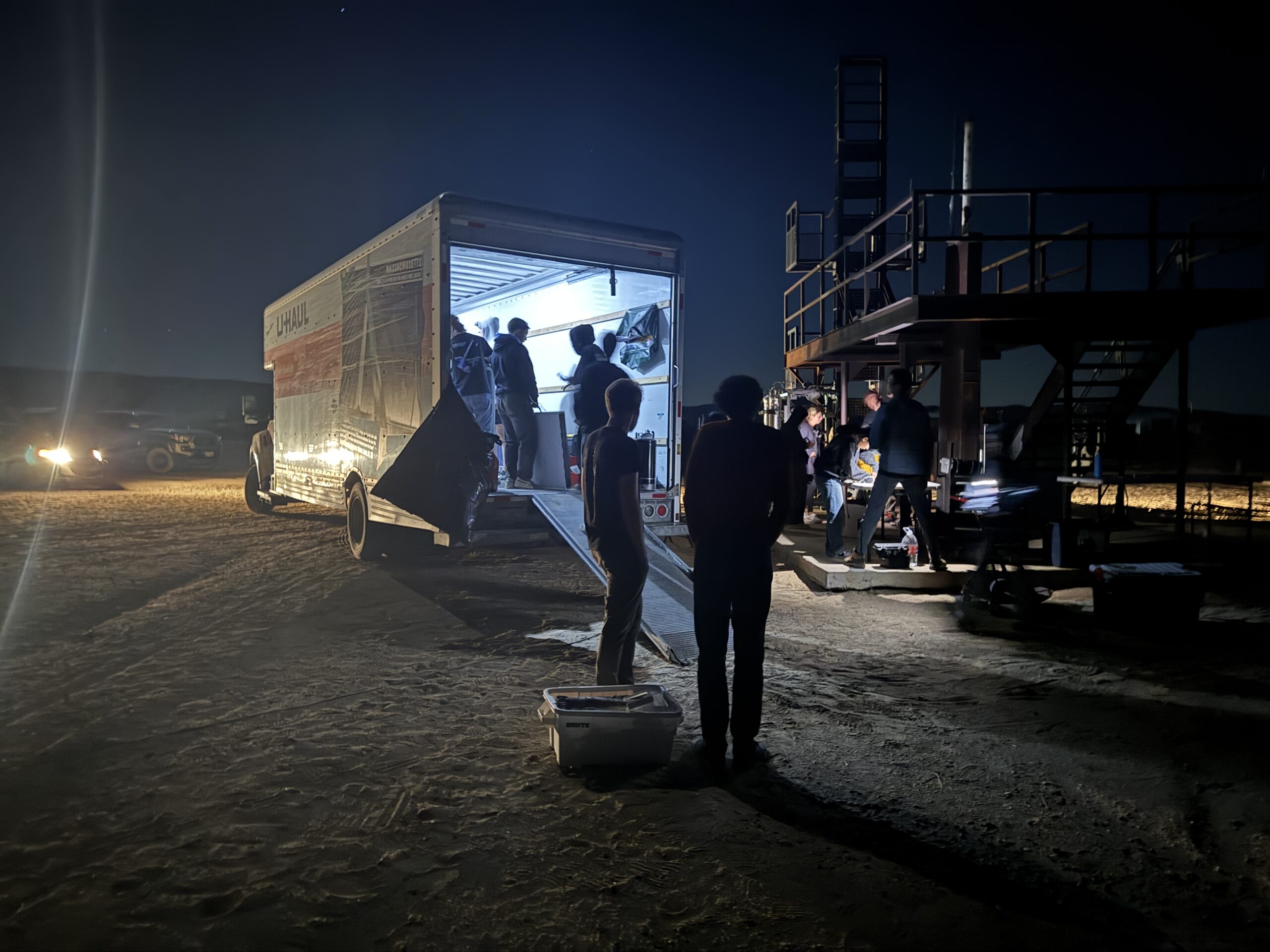
I was also grateful to the UCLA team who similarly showed maturity and patience in their operations which led to useful results despite a few setbacks. They policed the area for their trash and loaded their equipment for departure with practiced ease.
For those groups and members wanting to use the RRS MTA, contact the RRS president, Frank Miuccio. president@rrs.org
The next monthly meeting of the RRS is every 2nd Friday at the front office of the Compton/Woodley Airport. Next one will be December 12, 2025.


